
Table of Contents
Why You Should Never Ignore the Tooth Infection Symptoms
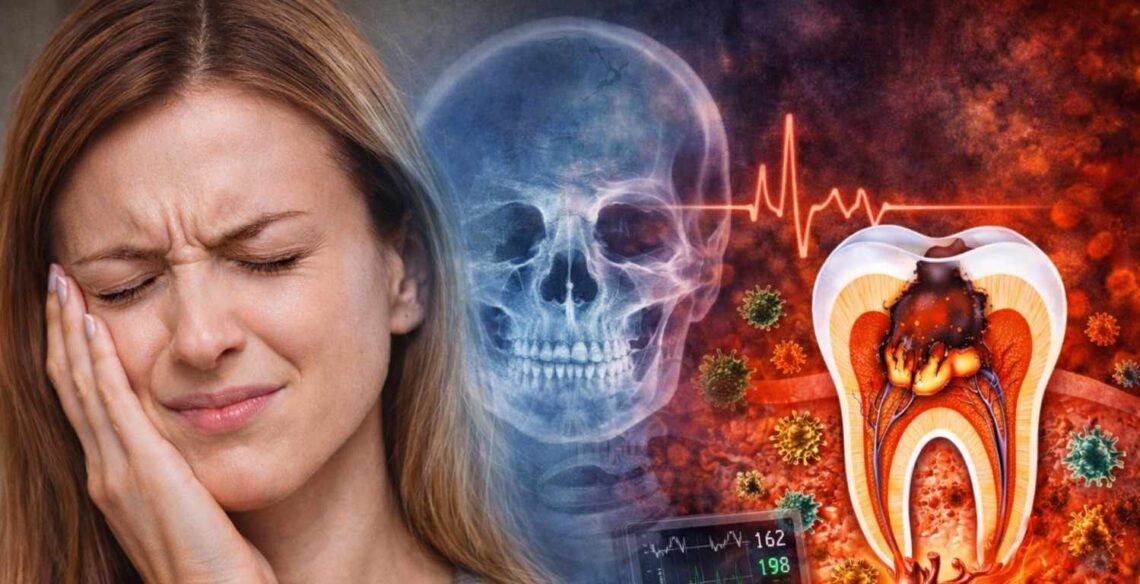
Tooth Infection Symptoms have one of the most common health warning signs that people ignore. A lot of people think that tooth discomfort, swelling, or discomfort is temporary or not dangerous. In fact, the signs of a tooth infection usually point to a bacterial problem that won’t go away on its own. If you don’t pay attention to these symptoms, they can get worse, affect your daily life, and cause serious dental problems.
When bacteria get into the deeper parts of a tooth or the gum tissue around it, a tooth infection can happen. This can happen because of cavities, broken teeth, gum disease, bad dental work, or an injury. At first, the symptoms of a tooth infection may not seem too bad, but as the bacteria grow, the pressure and swelling get worse. This guide explains the signs of a tooth infection in a way that is easy to understand, safe for your health, and helpful for people. This way, readers can spot problems early and do something about them.
The goal is to keep readers interested and help them comprehend tooth infection symptoms in depth.
What is an infection in a tooth?
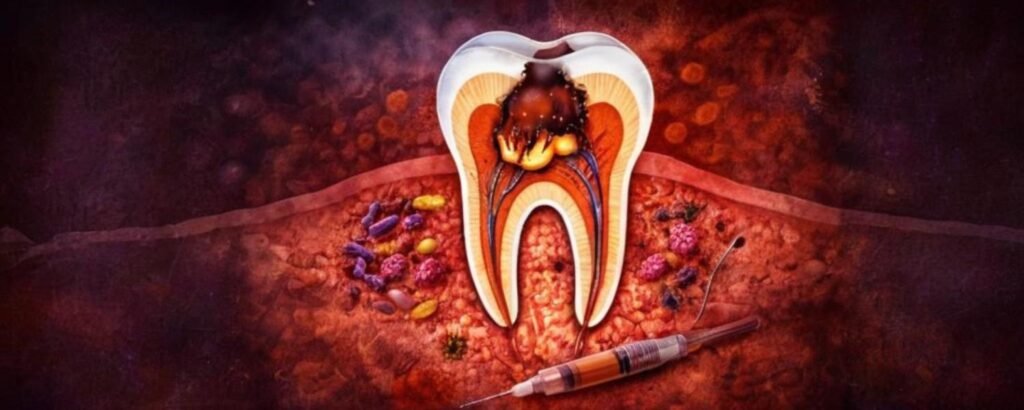
When bad bacteria get into the tissue, root, or bone around a tooth, it causes an infection. Pain and sensitivity are common signs of a tooth infection because the pulp has nerves and blood vessels. When bacteria get to this part of the body, it causes inflammation, which builds up pressure inside the tooth.
If not treated, the infection could turn into an abscess, and this is a pocket of pus. At this point, the signs of a tooth infection tend to grow more intense and difficult to ignore. To protect your oral health and stop the introduction of bacteria, you need to get dental care right away.
Don’t Ignore These Early Tooth Infection Symptoms
Tooth Infection Symptoms in the early stages are often hard to notice. A lot of people go about their daily lives as these signs slowly get worse. If you know the early signs of a tooth infection, you can avoid more serious problems.
Some common early tooth infection symptoms are:
- Being sensitive to either cold or hot food items
- A painful toothache which comes and goes
- It hurts to chew
- The gums may be a little red or swollen.
- A bitter taste that stays in the mouth
At this point, the symptoms of a tooth infection may not seem too bad, but bacteria have begun to thrive below the surface.
Common Signs of Tooth Infection in Adults
As the infection gets worse, the symptoms of a tooth infection get worse. Adults often say that pain keeps them from sleeping, eating, and focusing.
Adults who have a tooth infection often have these symptoms:
- Pain in the teeth that is throbbing or sharp
- Pain that gets worse when you bite or chew
- Gums that are swollen or inflamed around one tooth
- Breath that smells bad and doesn’t get better after brushing
- Pain that goes to the ear, jaw, or neck
These signs of a tooth infection mean that bacteria are getting deeper into the tooth, and a dentist needs to look at them.
Symptoms of a serious tooth infection that need to be treated right away
If you have advanced tooth infection symptoms, it could mean that the infection is spreading to other parts of your body. You should never ignore these signs.
Signs of a serious tooth infection include:
- Swelling of the face or jaw
- Chills or a feve
- Having trouble opening your mouth
- Nodes of lymphatic fluid in the neck that are swollen
- A bad smell or pus coming out
If you have any of these tooth infection symptoms , see a dentist or doctor right away.
Signs of a tooth abscess
A tooth abscess puts a lot of pressure on the tooth and hurts a lot. Pain, pus development, fever, and extreme reactivity to pressure or temperature are common signs of a tooth infection.
Signs of a Root Infection
Root infections cause pain that is deep and never goes away. These symptoms of a tooth infection usually get worse when you chew, and they often need root canal therapy.
Signs of a tooth infection in the gums
Gum infections can make your gums red, bleed, hurt, and swell. These symptoms can get worse and turn into more serious tooth infection symptoms if they aren’t treated.
Signs of an infected wisdom tooth
It’s common for wisdom teeth to get infected because they are hard to clean. Bacteria and food can easily get stuck around them.
Common signs of an infected wisdom tooth are:
- Pain in the center of the mouth
- Gum tissue that is swollen
- Stiffness in the jaw
- Chewing is hard
If you keep getting symptoms of a wisdom tooth infection, you may need to see a doctor.
Tooth Infection Symptoms in Kids
Kids might have trouble explaining pain. Signs of a tooth infection in kids often look like:
- Being cranky or crying
- Not eating food
- Swelling of the face
- Fever
Finding tooth infection symptoms in kids early on can help avoid long-term dental problems.
Symptoms of a tooth infection getting worse day by day
People are more likely to get care early if they understand the way tooth infection symptoms change over time.
Day 1–2: A little sensitivity and pain
Days 3 and 4: Pain that won’t go away and swollen gums
Days 5–7: Pain gets worse, pressure builds up, and swelling happens.
Beyond: signs of a severe tooth infection and the formation of an abscess
Can the tooth infection symptoms affect your health in general?
Yes. Symptoms of an untreated tooth infection can affect your health in general. Microbes from oral cavity can move to tissues nearby and put strain on the body’s defense mechanisms. This is why dentists stress getting treatment as soon as possible.
How dentists figure out if you have a tooth infection
Dentists use the following to figure out if a tooth is infected:
- Look at it visually
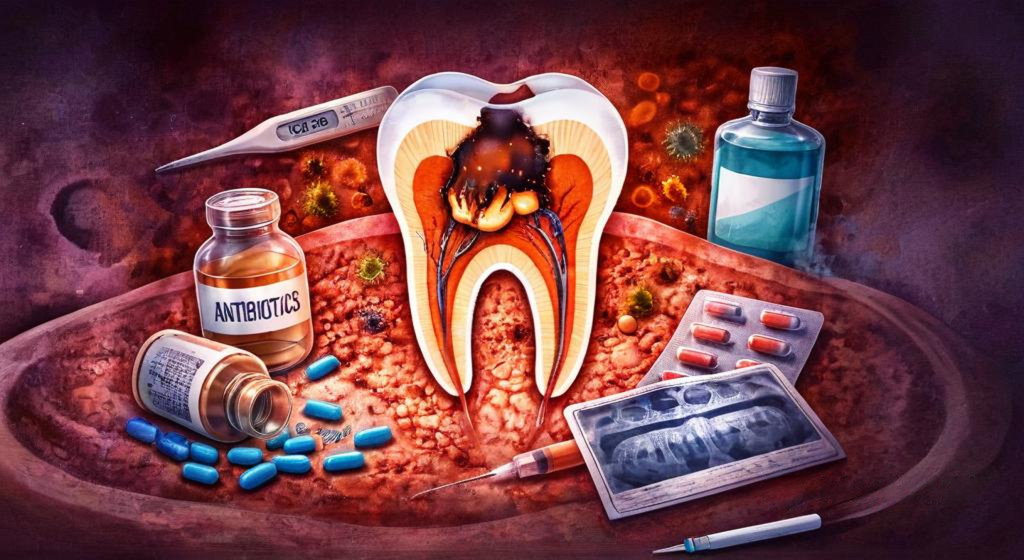
- X-rays of the teeth
- Testing for sensitivity
- Gum check
A correct diagnosis is necessary for effective treatment.
Ways to Treat Tooth Infection Symptoms
How bad the problem is will determine the treatment, which may include:
- Antibiotics (when necessary)
- Therapy for root canals
- Draining an abscess
In extreme cases, teeth need to be pulled. Home remedies can help with pain, but they won’t get rid of the infection.
How to Lower the Probability for Tooth Infection Symptoms
Some things you can do to avoid problems are:
- Brushing your teeth twice a day with toothpaste that has fluoride in it
- Flossing every day
- Checkups at the dentist on a regular basis
- Cutting back on sweet foods and drinks
- Fixing cavities early
Good oral hygiene makes tooth infection symptoms much less severe.
Myth Vs Fact Tooth Infection Symptoms
Myth 1: The tooth infection symptoms go disappear on their own.
A lot of people think that tooth infection symptoms go away on their own. In fact, infections usually get worse over time. Pain may go away for a while as the nerves die, however bacteria keep spreading under the skin.
Myth 2: Pain free means no infection
Some signs of a tooth infection don’t hurt much at first. Even if you don’t have any symptoms, infections can still hurt your bones and the tissue around them. This is why you should see your dentist regularly.
Myth 3: You can get rid of a tooth infection with home remedies.
Home remedies may make you feel better, but they won’t get rid of bacteria. You need to see a dentist if the symptoms of a tooth infection don’t go away.
Signs of Tooth Infection and Lifestyle Factors
Your lifestyle choices have a big impact on your oral health and the symptoms of tooth infections.
Symptoms of Tooth Infection and Diet
Eating a lot of sugar feeds bad bacteria. Snacking a lot, drinking sugary drinks, and eating acidic foods can make you more likely to get cavities, which can lead to tooth infections.
Signs of tooth infection and smoking
Smoking makes the gums weaker and slows down blood flow, which makes it more difficult for the human body to fight off infections. People who smoke often have worse symptoms of tooth infections.
Stress and Your Immune System
Chronic stress makes the immune system less effective and makes people grind their teeth more, which can make tooth infection symptoms worse.
Signs of Tooth Infection and Long-Term Conditions
Some health problems make tooth infection symptoms more likely and worse.
Signs of metabolic syndrome and tooth infection
People suffering from diabetes are more likely to get infections because their bodies heal more slowly. Symptoms of tooth infection can grow worse faster and need to be watched more closely.
Things that hurt the immune system
Individuals with poor immune systems might have trouble keeping bacteria in their mouths under control, thereby rendering it more likely for them will have serious symptoms of tooth infection.
Getting older and having a tooth infection
People’s dental enamel chipping away and gums begin to pull back as they get older, making their teeth more vulnerable. Older people may get more tooth infections owing to things like mouth watering, taking medications, or having dental work done in the past.
Signs for a tooth infection as well as psychological wellness
It’s challenging to sleep, appear good, and focus when you have chronic dental pain. If you have a persistent tooth infection, the symptoms may make you feel anxious and frustrated, and lower your quality of life.
Signs of a tooth infection that have to be looked at right away, and those that don’t
- When It’s a Critical Situation
- The face is swelling.
- Fever
- Not being able to breathe or swallow well
When to Call the Dentist for an Appointment
- Sensitivity that doesn’t go away
- Some pain
- Pain in the gums
If patients know how serious their tooth infection symptoms are, they can better handle them.
Signs of a tooth infection as well as how much it costs to see a dentist in the US
In the US, it is usually less expensive to address the initial symptoms for a tooth infection than to wait until it gets worse. Restorations and early treatments cost a lot less than root canals or extractions.
Dental insurance, payment plans, and nearby dental offices may help bring down the costs.
How Dentists Decide on the Best Care
To find out if a particular tooth is infected, dentists look at how much pain it is causing, the results of an X-ray, and how much the infection has spread. The main goal is always to preserve the natural tooth if at all possible.
What Happens Next After Treating Tooth Infection Symptoms
Most people feel better when they get treatment for tooth infection symptoms right away. Getting regular checkups and taking care of your teeth lowers your risk becoming sick again.
Conclusion
You ought not to disregard symptoms of a tooth infection. Keeping the teeth and body healthy means knowing how to take care of them, getting dental care on time, and having good habits. You shouldn’t use this guide instead of getting professional dental advice
FAQ (Regarding Tooth Infection Symptoms)
Can antibiotics alone make symptoms of tooth infection go away?
Antibiotics may stop microbes from propagation for a brief period of time, however they don’t kill the germs that cause the infection. Most of the moment, you need to go to the dentist to get the problem fixed completely.
How long do the symptoms of tooth infection last shortly after treatment?
The majority of the time, indicators get better after just the first week of treatment, but it can take weeks for the problem to go away completely.
Are the symptoms of tooth infection transmissible?
No. When germs that are already within the mouth penetrate into the tooth, it causes an infection. You can’t catch them.
Can being pregnant make the symptoms of a tooth infection get worse?
Hormonal changes during pregnancy can make gums more sensitive. If you don’t take proper care of your teeth, this can make the symptoms of a tooth infection worse.
How long until a tooth infection kills you?
In the US, modern dental care makes it very unlikely that a tooth infection will kill you. But if you don’t pay attention to the signs of a tooth infection for a long time, the bacteria could spread to other parts of your body. This is why dentists strongly advise you to get checked out as soon as possible. Getting medical care right away makes it much less likely that serious problems will happen and keeps you healthy.
How long does a root canal take?
A root canal usually takes between 60 and 90 minutes. The duration of time is contingent on how bad the tooth infection is and how bad the tooth is. You might have to see your physician more than once in some cases. Dentists try to keep the natural tooth as much as possible while getting rid of infected tissue.
How to fix a cracked tooth naturally?
You can’t fix a cracked tooth on your own. Saltwater rinses may help with pain for a short time, but they don’t fix damage or get rid of tooth infection symptoms. To stop the infection from getting worse and to protect the tooth, you need to see a dentist.
What is the strongest natural antibiotic for tooth infection?
Clove oil, cloves, or salt water rinses may help for a short time, but they don’t kill bacteria. If you have symptoms of a tooth infection that won’t go away, you should see a dentist for an evaluation and treatment.
What are wisdom tooth infection symptoms?
Signs of a wisdom tooth infection include swelling, pain in the back of the mouth, a stiff jaw, and trouble chewing. It’s common for wisdom teeth to get infected because they’re hard to clean. A dentist should look at symptoms that keep coming back.
How to get rid of swollen face from tooth infection?
If you have facial swelling from a tooth infection, you need to see a dentist. Cold compresses may help with the pain for a short time, but the only way to safely get rid of the swelling is to treat the infection that caused it.
Can a toothache cause a headache?
Yes. Symptoms of a tooth infection can irritate the nerves in your face and make you tense, which can lead to headaches. Taking care of the dental issue often makes the pain in the head go away and makes you feel better.
How do you prevent a root canal?
To avoid needing a root canal, you should treat cavities early, brush and floss your teeth every day, and get rid of any signs of tooth infection as soon as they show up. Regular visits to the dentist are very important for prevention.
How to know if I have a cavity?
A cavity may be present if you have empathy, mild pain, or dark spots that you can see. If you disregard them, cavities can make your teeth hurt and need more complex care.
What can I eat after a tooth extraction?
After extraction, you should eat nutritious foods like yogurt, potato mashed up, smoothies, and soups. To lower the likelihood of getting sick or irritated, stay away from foods that are thick, spicy, or hot.