
Table of Contents
Heart attacks don’t always come with sudden, intense pain. In many cases, the signs appear slowly and feel easy to ignore. With busy schedules and daily stress, people in the USA often dismiss early symptoms as fatigue or minor health issues. Understanding these warning signs can help you act in time and protect your life.
What Is a Heart Attack?
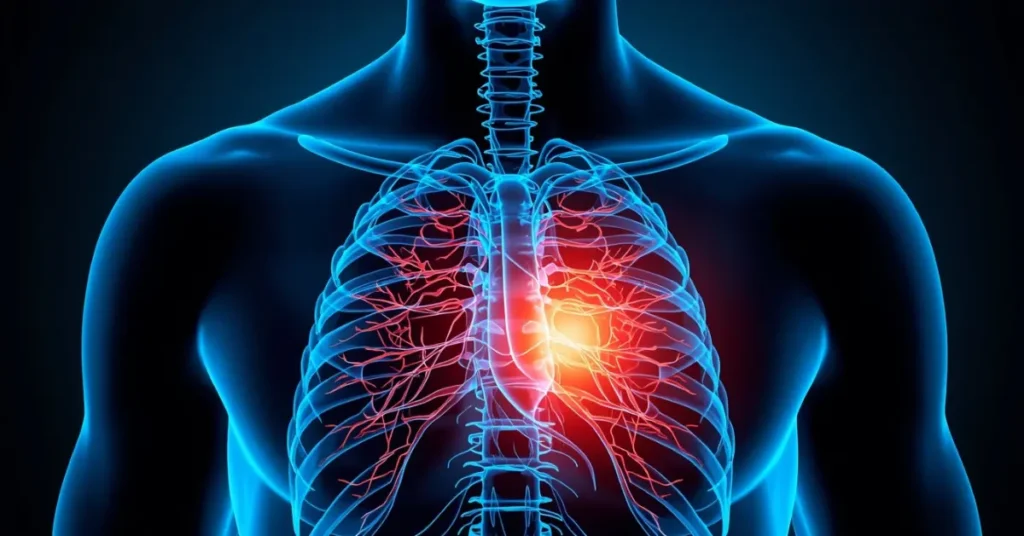
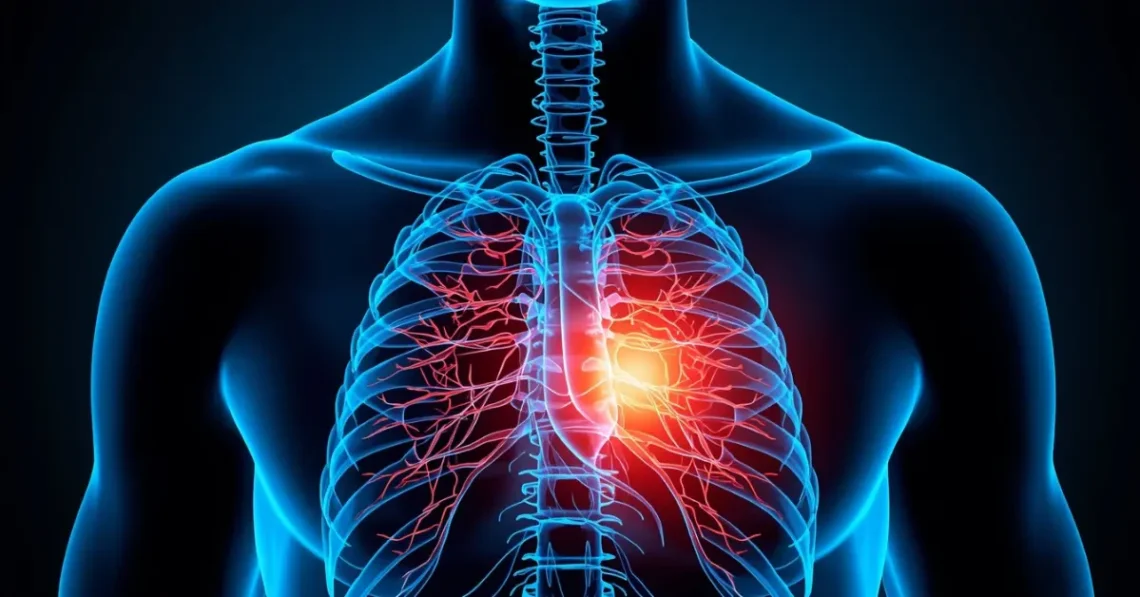
A heart attack occurs when blood flow to the heart muscle is blocked, usually by fatty deposits in the arteries. Without enough oxygen, the heart muscle begins to get damaged. The faster treatment starts, the better the chances of recovery.
Common Heart Attack Symptoms
Some symptoms are seen in both men and women, including:
- Chest pressure, tightness, or discomfort
- Shortness of breath during rest or light activity
- Cold sweats or sudden dizziness
- Nausea or vomiting
- A feeling of anxiety or uneasiness
These signs may come and go or slowly become stronger.
Read more: High Blood Pressure in Children: What Parents Need to Know
Heart Attack Symptoms in Men
Heart attack signs in men are often more direct. Many men feel strong chest pain that can spread to the left arm, shoulder, or jaw. Heavy sweating, breathing trouble, and sudden weakness are also common. These classic signs usually push men to seek help quickly.
Heart Attack Symptoms in Women
Heart attack signs in women can be less obvious. Women may experience unusual fatigue, back or neck pain, nausea, or indigestion-like discomfort. Some women never feel chest pain at all, which can delay treatment if symptoms are ignored.
Read More: American Heart Month 2026: Heart Health Tips, Prevention & Care
Conclusion
Heart attacks don’t always look the same for everyone. Knowing both common signs and the differences between heart attack signs in men and heart attack symptoms in women can save lives. Trust your instincts, listen to your body, and never ignore warning signs. Quick action can mean the difference between recovery and tragedy.