

If you have spent months dealing with an unrelenting sense of internal exhaustion, persistent tightness in your lower back, or an emotional weight that sleep simply cannot fix, you are not alone. Modern life frequently keeps us locked in a state of survival, leaving us feeling completely estranged from our own skin. When looking for a gentler, more intelligent way to find relief, many people eventually encounter a trending question in mind-body wellness practices: what is somatic yoga?
Somatic yoga is far more than a simple fitness trend or a gentle variation of standard floor exercises. It represents a deeply restorative, neurology-focused methodology that re-establishes communication with your physical form from the inside out.
Unlike traditional classes that prioritize complex postures, aggressive flexibility targets, or perfect structural geometry, this practice emphasizes micro-movements, deep internal awareness, and therapeutic sensory feedback.
To truly appreciate this approach, it helps to break down the root word: soma, a Greek term meaning “the living body experienced from within.” By combining modern neurobiology with foundational movement patterns, somatic release techniques provide a powerful pathway toward physical pain relief, lower stress hormones, and lasting neural balance. Let us explore how it works and how you can use it to feel fully grounded again.
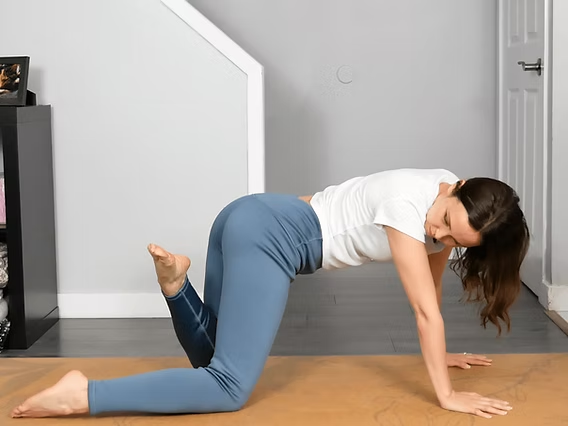
Where Somatic Yoga and Somatic Therapy Came From
The roots of modern somatic movement trace back to pioneering 20th-century movement educators like Thomas Hanna and Moshe Feldenkrais. These innovators realized that chronic physical pain, alignment distortions, and stress patterns were frequently caused by a breakdown in communication between the motor cortex of the brain and the skeletal muscles—a condition Hanna termed “sensory-motor amnesia.”
Traditional yoga focuses on unifying the mind, breath, and spirit through established physical shapes. Somatic yoga acts as a modern bridge between these two disciplines. It filters the ancient philosophy of yoga through a clinical, neuroscience-backed framework.
This specialized practice merges several elements:
- Contemporary neuromuscular feedback loops
- Sustained, mindful internal check-ins
- Deep, unforced diaphragmatic breathing patterns
- Therapeutic somatic yoga therapy principles
This unique combination makes it exceptionally powerful for anyone navigating a hectic lifestyle, struggling with extended hours at a desk, or carrying unexpressed emotional stress within their tissues.
The Science Behind Somatic Yoga: How It Works
When exploring what somatic yoga is, understanding its neurological mechanism is essential. The practice targets your sensory-motor system, the network of nerves connecting your brain directly to your muscle fibers.
When you experience acute trauma, repetitive occupational stress, or daily anxiety, your brain continuously fires signals that keep specific muscle groups tightly contracted. Over time, your brain adapts to this baseline, completely forgetting how to let those muscles return to a fully relaxed state. This leaves you feeling perpetually rigid, sore, and stiff.
Somatic yoga exercises break this cycle through a specific technique called pandiculation. Think of how a cat stretches when waking up from a nap: they intentionally tighten a muscle structure, slowly elongate it under control, and then completely let go.
By mimicking this natural reaction through slow, conscious movements, you give your sensory cortex fresh data. This teaches your nervous system that it is entirely safe to release old, stored tension patterns without needing force or deep, painful stretching.
What Makes Somatic Yoga Exercises Different?
At first glance, a somatic yoga sequence might look identical to a standard restorative or yin class, but the underlying intention is completely reversed. You won’t find anyone holding an intense pose for five minutes or pushing their joints to their absolute limits. Instead, you perform small, isolated variations of movement—lifting, lower, twisting, or tilting sections of the body with complete sensory focus.
The Core Pillars of a Somatic Routine:
- Decelerated Motion: Moving at a fraction of your normal speed to track exactly where your movement skips or hitches.
- Minimal Range of Motion: Keeping movements incredibly small and gentle to keep your body out of defensive muscular bracing.
- Frequent Pauses: Taking regular resting windows between movements to allow your brain to register the changes in your tissues.
- No Pain Tolerance: Refusing to push through any discomfort; if a movement pinches or feels tight, you immediately make it smaller and softer.

Why Somatic Yoga for Beginners Is the Best
Stepping into a standard fitness environment can feel incredibly intimidating if you are dealing with chronic joint discomfort, physical limitations, or general body fatigue. This is exactly why somatic yoga for beginners stands out as such an accessible, validating option.
- Zero Fitness Pre-requisites: You don’t need exceptional baseline flexibility, core stability, or prior athletic experience to participate.
- Highly Adaptive Structure: Because the entire focus is on your internal experience, every single movement can be scaled, modified, or reimagined to accommodate an injury or physical challenge.
- Non-Competitive Environment: There is no “correct” external aesthetic to achieve. Two people doing the exact same somatic exercise might look completely different on the outside, yet both are getting the exact same neurological benefit.
By prioritizing internal comfort over external appearances, beginners can safely build authentic trust with their bodies, creating a reliable foundation before moving into more demanding routines like a 10-minute home ab workout or a beginner strength plan.
The Broad Benefits of Somatic Yoga
By shifting your focus toward nervous system regulation, you unlock a diverse array of physical, mental, and systemic benefits.
| Category | Primary Benefit | How It Manifests |
| Physical Resilience | Reverses sensory-motor amnesia | Reduces chronic back and hip pain, corrects posture, and builds fluid coordination |
| Mental & Emotional Calm | Lowers sympathetic drive | Quiets racing thoughts, alleviates feelings of emotional burnout, and builds mental clarity |
| Systemic Health | Balances cortisol output | Enhances deep sleep quality, regulates digestive processes, and encourages hormonal harmony |
Somatic Yoga to Clear Cortisol and Stress
When your body lives in a chronic fight-or-flight state, your adrenal glands continuously pump out cortisol. High baseline cortisol is a primary culprit behind broken sleep cycles, emotional reactivity, brain fog, and stubborn midsection weight retention.
A dedicated cortisol detox yoga session doesn’t try to burn calories or push your cardiovascular system. Instead, it coaxes your body into an authentic parasympathetic state.
By using slow, mindful movements to stimulate your vagus nerve and encourage deeper diaphragmatic breathing, you show your brain that you are out of danger. This physiological shift naturally lowers cortisol production, supports your immune system, and creates space for long-term hormonal healing.
To expand on this internal reset, combining your somatic practice with target routines like a vagus nerve massage for heart palpitations or dedicated breathing exercises to reduce anxiety can drastically fast-track your path to deep relaxation.
Final Thoughts
In an exhausting, fast-moving culture that constantly encourages us to push harder, run faster, and fight through pain, learning what somatic yoga is gives us permission to take a step back. It reminds us that sustainable, lifelong vitality isn’t built on self-punishment—it is built on listening closely to our bodies.
Somatic yoga invites you to put down your goals, step away from rigid performance metrics, and remember how to move with ease. Be kind to your system, prioritize consistency over intensity, and let FitnessToday support you as you rebuild a strong, vibrant, and pain-free life from the inside out.
Frequently Asked Questions
What makes somatic yoga different from a normal yoga class?
Traditional yoga classes typically prioritize specific external shapes, precise alignment rules, and building flexibility or strength by holding poses. Somatic yoga ignores how a movement looks from the outside, focusing entirely on retraining the nervous system through slow, unforced, and mindful internal exploration.
Does somatic yoga help you lose weight directly?
Somatic yoga is not a high-calorie cardiovascular workout designed for rapid weight loss. However, it can support weight management indirectly by shifting your body out of chronic stress mode, lowering cortisol levels, improving sleep quality, and minimizing emotional eating behaviors.
What is the difference between a somatic release and deep tissue stretching?
Deep tissue stretching uses external force to pull a muscle taut, which can sometimes trigger a defensive tightening reflex if done too quickly. A somatic release uses conscious, slow movements (pandiculation) to change the brain’s baseline signal to the muscle, allowing it to relax naturally without any force.
How often should I practice somatic yoga exercises to see real results?
Because somatic exercises are exceptionally gentle on your joints and nervous system, you can safely practice them every day. Spending just 5 to 10 minutes each morning or evening can create a noticeable drop in muscle stiffness and anxiety within your very first week.

Justin is a wellness and fitness content writer focused on yoga, natural health, nutrition, and sustainable lifestyle habits. She creates easy-to-follow guides that help readers improve flexibility, strength, mental wellness, and overall fitness through practical daily routines. Her work at FitnessToday combines research-backed wellness information with beginner-friendly advice designed for real-life results.
Discover more from fitness today
Subscribe to get the latest posts sent to your email.


