
Honeydew melon is a refreshing, low-calorie fruit packed with vitamins and minerals. Find out why it’s a must-try for your health!
Introduction
In today’s fast-paced world, maintaining a healthy lifestyle can feel overwhelming. But what if I told you that small, consistent changes to your morning routine could have a massive impact on your energy levels, weight loss goals, and overall well-being?
This blog post dives into 10 simple, science-backed morning habits that are easy to implement and highly effective. Whether you’re a fitness enthusiast or just starting your health journey, these tips will help you feel energized, focused, and ready to tackle the day.

Why Morning Habits Matter
Your morning routine sets the tone for the rest of the day. Studies show that people who follow a structured morning routine are more productive, less stressed, and better at maintaining healthy habits throughout the day.
By incorporating these habits, you’ll not only improve your physical health but also enhance your mental clarity and emotional well-being.
10 Morning Habits to Transform Your Health
1. Start Your Day with a Glass of Lemon Water
Drinking warm lemon water first thing in the morning helps kickstart your metabolism, aids digestion, and hydrates your body after a night’s sleep. It’s also rich in vitamin C, which boosts your immune system.
Pro Tip: Add a pinch of Himalayan pink salt for extra electrolytes.
2. Practice 10 Minutes of Mindfulness or Meditation
Mindfulness and meditation reduce stress, improve focus, and set a positive tone for the day. Apps like Headspace or Calm can guide you through quick sessions.
3. Get Moving with a Quick Workout
Even 10-15 minutes of exercise in the morning can boost your metabolism, improve mood, and increase energy levels. Try bodyweight exercises like squats, push-ups, or yoga.
Internal Link: Check out our beginner’s guide to morning yoga
4. Eat a Protein-Rich Breakfast
A high-protein breakfast keeps you full longer, stabilizes blood sugar, and supports muscle repair. Opt for eggs, Greek yogurt, or a protein smoothie.
5. Soak Up Some Sunlight
Exposure to natural light in the morning helps regulate your circadian rhythm, improves sleep quality, and boosts vitamin D levels. Spend 5-10 minutes outside or near a window.
6. Plan Your Day with a To-Do List
Writing down your top 3 priorities for the day helps you stay focused and reduces decision fatigue. Use tools like Notion or a simple notebook.
7. Avoid Your Phone for the First Hour
Scrolling through social media or emails first thing in the morning can increase stress and distract you from your goals. Instead, focus on your morning routine.
8. Take a Cold Shower
Cold showers have been shown to improve circulation, boost immunity, and increase alertness. Start with 30 seconds and gradually increase the duration.
9. Practice Gratitude
Writing down 3 things you’re grateful for can improve your mood and mental health. Keep a gratitude journal by your bedside.
10. Stay Consistent
Consistency is key to forming lasting habits. Start with 1-2 habits and gradually add more as they become part of your routine.
FAQs
1. How long does it take to see results from these habits?
Most people notice improved energy levels within a week. Weight loss and other health benefits may take 4-6 weeks of consistent practice.
2. Can I skip breakfast if I’m not hungry?
While intermittent fasting works for some, a light, protein-rich breakfast is recommended for sustained energy and metabolism.
3. What if I don’t have time for a morning workout?
Even 5 minutes of stretching or a brisk walk can make a difference. The key is to move your body in some way.
Conclusion
Incorporating these 10 morning habits into your daily routine can have a profound impact on your health, energy, and weight loss goals. Remember, small changes lead to big results over time. Start today and take the first step toward a healthier, happier you!
Call to Action
Ready to transform your mornings? Share this post with a friend who needs a health boost, and don’t forget to subscribe to our newsletter for more tips on fitness, health, and wellness.
- Superset Workouts for Muscle Growth and Fat Loss: The Ultimate Efficiency Guide
 Modern fitness routines are changing quickly, and people no longer want to spend endless hours in the gym. Between demanding career tracks, family obligations, and maintaining a personal life, spending two hours wandering between weight machines is simply no longer viable. Most gym-goers are actively searching for faster, smarter, and far more effective training methods that help improve strength while simultaneously supporting structural fat loss. One of the most powerful training methodologies gaining widespread attention across the USA is the strategic implementation of superset workouts. A properly planned superset routine can drastically improve cardiovascular endurance, skyrocket your intra-workout calorie burn, cut your total workout time directly in half, and trigger superior hypertrophic muscle growth. Whether you are completely new to physical lifestyle adjustments or are an experienced lifter trying to break through a frustrating plateau, supersets make your training incredibly efficient and dynamic. Reaching your physical potential requires a multi-layered approach to wellness. People trying to improve their daily energy levels and overall workout consistency can also follow healthy routines shared on FitnessToday. Building that daily consistency becomes vastly easier when combined with healthy lifestyle habits, such as these proven morning routines to boost energy after 30. What Is a Superset Workout? At its core, a superset is a training technique where you perform two distinct exercises back-to-back with zero rest in between. You only take a traditional recovery break after you complete the final repetition of the second movement. For example, instead of performing a set of bench presses, sitting on a bench for two minutes checking your phone, and repeating, you would complete your bench press repetitions and immediately transition directly into a set of barbell rows. There are two primary styles of organizing these pairings: Beginners starting a brand-new strength training routine may also benefit heavily from exploring this comprehensive guide on the best home workouts for beginners. Furthermore, if upgrading your long-term flexibility and joint mobility are core parts of your personal fitness goals, combining structured gym training with mindful yoga flows can drastically accelerate your recovery timelines. Read about what happens when you practice yoga daily for 10 days to see how it alters your physiology. The Core Benefits of Superset Training Explodes Caloric Burn and Fat Loss Because you are drastically reducing your rest periods, your heart rate remains highly elevated throughout the entire weight training session. This transforms a traditional strength routine into a dual resistance and cardiovascular workout, turning your body into an efficient calorie-burning machine. This high-intensity workout style can powerfully support body composition goals when paired with smart nutrition and daily lifestyle choices, like those explained in these tips to lose belly fat naturally. Maximizes Time Efficiency By utilizing the rest period of one muscle group to actively train another, you pack double the work volume into the exact same timeframe. If your traditional workout takes an hour, a well-structured superset split can get you out of the gym doors in 30 minutes flat. These short and intense workouts work especially well for packed, busy schedules, working in a similar metabolic fashion to this fast 10-minute fat-burning yoga workout for busy women. Induces Superior Muscle Hypertrophy Supersets accumulate massive amounts of metabolic stress within the working tissue—one of the primary scientific drivers behind muscle hypertrophy. The constant tension forces rich, oxygenated blood into the muscles, creating a powerful cellular swelling effect that triggers structural tissue growth and definition. Maintaining crisp mental focus also plays an incredibly important role in maximizing your physical output during these intense transitions; you can learn more about managing this connection in our deep dive into fitness psychology and workout mindset. Optimizing Your Recovery and Lean Growth While superset workouts for muscle growth and fat loss are incredibly effective, they place a serious demand on your central nervous system and structural tissues. True physical evolution doesn’t actually happen while you are lifting weights in the gym; it happens when you sleep, rest, and nourish your cells. Taking recovery seriously is absolutely essential after intense, muscle-building workouts. Keep a sharp eye out for signs of overtraining with this helpful resource: 7 signs your body is overworked and how to fix it. Ensuring proper daily protein intake can also drastically improve your tissue recovery speeds and preserve lean mass while dropping fat. To optimize your supplementation, read this detailed Dymatize Elite 100 Whey Protein review. Additionally, athletes looking to take their explosive power and athletic strength to the next level can explore plyometrics 101 to boost performance. Blueprint Full-Body Fat-Burning Superset Routine Here is a highly effective, time-saving full-body superset template designed to maximize metabolic output and muscle stimulation. Perform 3 complete sets of each pairing, resting for 60 to 90 seconds only after completing Exercise B. Superset Block Exercise A (Compound Lower) Exercise B (Upper Body Pull/Push) Primary Targets Superset 1 Barbell or Dumbbell Goblet Squat (10 Reps) Dumbbell Bent-Over Rows (12 Reps) Quadriceps, Glutes, Lats, Upper Back Superset 2 Romanian Deadlifts (10 Reps) Push-Ups or Dumbbell Bench Press (12 Reps) Hamstrings, Spinal Erectors, Chest, Triceps Superset 3 Dumbbell Walking Lunges (12 Reps per leg) Standing Dumbbell Overhead Press (10 Reps) Glutes, Core, Anterior Deltoids, Traps Adding targeted core work to your routine can further solidify your trunk stability, protect your lower back during heavy lifts, and enhance your overall conditioning. To build this foundational strength, try incorporating this quick 10-minute ab workout to sculpt your core. For busy days when you simply cannot make the commute to your local health club, utilizing a guide on the best home workouts with no time for the gym will ensure your habit loop stays perfectly intact. Are Supersets Good for Beginners? Yes, but with an important caveat: beginners must prioritize flawless movement mechanics over lifting maximum weights. Because fatigue accumulates rapidly during back-to-back exercises, form can naturally begin to break down if you aren’t paying attention. Beginners struggling with physical flexibility, hip tightness, or structural joint stiffness should look into adding targeted mobility movements into their weeks, such as these 5 yoga poses that instantly relieve hip stiffness. If you are dealing with chronic lower back discomfort during or after your training sessions, make sure to read through a restorative daily yoga routine for back pain relief. Consistently implementing strategic recovery techniques, such as targeted stretching and home remedies, can drastically reduce next-day delayed onset muscle soreness. Learn more by exploring proven home remedies for sore muscles fast relief. Nutritional Strategy for Superset Success You cannot out-train a poor diet. Because supersets demand an incredible amount of muscular endurance and glycogen fuel, your nutritional habits must explicitly support your body composition goals. A highly structured, balanced eating plan provides the raw amino acids and micronutrients required for cellular repair while keeping you in a sustainable caloric deficit for fat loss. You can explore macro breakdowns further with our balanced diet for weight loss meal plans. Prioritizing protein-rich whole foods is vital for active adults looking to retain metabolically active muscle tissue. If you are struggling to hit your protein marks early in the day, check out these 20 high-protein egg-free breakfast ideas for a clean, intentional start to your morning. Additionally, keeping clean, unprocessed options nearby will prevent blood sugar crashes; read up on healthy snacks for weight loss that work to keep your nutritional trajectory perfectly on track. Final Thoughts Long-term fitness success never hinges on a single workout craze, a magical pill, or an extreme lifestyle overhaul. It relies completely on the steady combination of habit consistency, calculated physical recovery, intentional whole-food nutrition, and true mental discipline. If you are ready to completely transform your current approach to wellness, you can dive deeper into our master roadmap on how to jumpstart your wellness journey. Always remember to honor your nervous system. Combining high-intensity resistance exercise with deliberate stress-reduction habits will drastically upgrade your recovery speeds. Explore these targeted breathing exercises to reduce anxiety and panic fast to keep your mind completely balanced as you build your strongest, healthiest physique. Frequently Asked Questions Do superset workouts cause you to lose muscle mass because of the high intensity? No, quite the opposite. When you lift heavy weights with back-to-back exercises, you create massive metabolic stress and tension, which are key triggers for muscle hypertrophy. As long as your protein intake is adequate, supersets preserve and build lean muscle mass while accelerating fat loss. Can I do supersets for every single workout in my training split? While supersets are highly efficient, performing them for every single exercise across every workout can eventually overtax your central nervous system. A smart approach is to use supersets for your accessory and isolation movements while keeping your primary, heavy compound lifts (like deadlifts or squats) on traditional rest schedules. How long should I rest between different supersets? You should not rest at all between Exercise A and Exercise B within the superset block. Once you complete the final repetition of Exercise B, take a 60 to 90-second rest period to catch your breath, lower your heart rate slightly, and hydrate before moving on to the next set. JustinJustin is a wellness and fitness content writer focused on yoga, natural health, nutrition, and sustainable lifestyle habits. She creates easy-to-follow guides that help readers improve flexibility, strength, mental wellness, and overall fitness through practical daily routines. Her work at FitnessToday combines research-backed wellness information with beginner-friendly advice designed for real-life results.
 - Exercise for Stress Relief: The Ultimate Science-Backed Guide to Quieting Your Mind Through MovementIn today’s fast-paced American society, chronic stress has escalated from an occasional nuisance into a pervasive public health crisis. Millions of Americans operate in a state of constant, low-grade neurological alarm, juggling demanding professional responsibilities, financial pressures, and endless digital notifications. When your mind is stuck in this endless loop of worry, your body pays a steep physical price. Your muscles tighten defensively, your blood pressure climbs, and your energy drops. While many look to short-term fixes to manage this tension, one of the most potent, scientifically verified anti-stress treatments is completely free and instantly accessible: targeted physical movement. Using exercise for stress relief isn’t just about burning off extra physical energy; it is a profound biological intervention that rewires how your central nervous system processes everyday anxiety. In this comprehensive guide, FitnessToday breaks down the hormonal science behind stress reduction, profiles the four most effective workout styles to lower your anxiety, and provides a realistic framework to help you restore peace of mind in as little as 10 minutes a day. Essential Trust, Safety, and Mindset Instructions When utilizing physical activity as a therapeutic tool to combat anxiety, you must alter your internal approach to exercise. Pushing your body to physical collapse when you are already mentally exhausted can actually backfire. Anti-Overtraining Safety Checklist: The Neurobiology of Stress: Why Movement is Your Ultimate Reset To understand why exercise is so effective against anxiety, we have to look inside the brain. When you experience a stressful thought whether it’s an intimidating email from your boss or a looming financial deadline your amygdala sounds the alarm. This triggers your adrenal glands to flood your bloodstream with epinephrine and cortisol. This ancestral “fight-or-flight” response is brilliantly designed to help you run away from a physical predator. However, when you sit completely still at your desk marinating in that stress, those chemicals have nowhere to go. They linger in your system, causing systemic inflammation, brain fog, and chronic muscle tightness. Engaging in regular exercise breaks this cycle. Physical activity gives your body a constructive channel to simulate and complete that “fight-or-flight” loop. As your muscles work, your brain stems the flow of cortisol and floods your system with endorphins your body’s natural pain-relieving and mood-lifting chemicals. Furthermore, exercise stimulates the production of brain-derived neurotrophic factor ($BDNF$), a specialized protein that helps repair brain cells damaged by chronic stress, thereby protecting your long-term cognitive health. The 4 Best Workouts to Clear Anxiety and Lower Cortisol Not all exercises target stress in the exact same way. Depending on whether your anxiety leaves you feeling restless and angry or sluggish and fatigued, you can strategically choose a movement style to restore internal balance. 1. Mindful Outdoor Walking (Green Exercise) 2. Targeted Yoga and Somatic Flow 3. High-Intensity Interval Training (HIIT) 4. Progressive Strength and Resistance Training Designing Your Anti-Stress Weekly Prescription You do not need to train like an elite athlete to protect your mental health. In fact, when it comes to managing stress, consistency is far more important than raw intensity. Use the federal physical activity guidelines as a helpful map, but adapt them freely based on your daily energy reserves: Exercise Type Weekly Target Goal Ideal Daily Dose Stress-Relief Strategy Moderate Aerobic (Walking, Swimming) 150 Minutes / Week 20–30 Minutes / Day Focus on steady breathing and presence Vigorous Intensity (HIIT, Sprinting) 75 Minutes / Week 10–15 Minutes / Session Use to release intense, pent-up frustration Resistance Training (Weights, Calisthenics) 2 Days / Week 20–30 Minutes / Session Focus on slow, controlled repetitions If your schedule feels incredibly packed, remember that even a single 10-minute movement block can noticeably lower your anxiety and shift your mood. Start where you are, and build up gradually. 3 Practical Strategies to Overcome Stress-Induced Fatigue When your stress levels are incredibly high, the biggest hurdle is simply finding the motivation to get moving. Use these three practical strategies to build a consistent habit: Final Thoughts from FitnessToday Exercise is one of the most powerful, life-changing forms of natural medicine available for your mind. It serves as a physical release valve for the mental pressures of modern life. By treating your workouts as an act of self-care rather than a grueling chore, you can shift your body out of survival mode and into a state of vibrant health. Step outside for a short walk, unroll a yoga mat, or do a quick circuit in your living room today—your mind will thank you for it. Frequently Asked Questions (FAQs) Q: Can working out too intensely actually make my stress and anxiety worse? Yes, it absolutely can. If you are already dealing with high levels of psychological stress, lack of sleep, or systemic burnout, forcing your body through long, grueling workouts can overwhelm your system. This causes your adrenal glands to produce even more cortisol, leading to persistent fatigue, mood irritability, and sleep issues. If you show signs of physical exhaustion, prioritize gentle, restorative movements like walking or somatic yoga, and make sure to include 1 or 2 complete rest days in your week. Q: How quickly will I feel relief from anxiety after completing a workout? Many people experience a noticeable lift in their mood and a reduction in mental tension within 5 to 10 minutes of finishing a moderate workout. This rapid shift is driven by the immediate release of endorphins and dopamine, coupled with a drop in systemic muscle tension. Q: Is walking at a casual pace truly enough to relieve psychological stress? Absolutely. Walking is one of the most effective and accessible stress-relief exercises available. Walking at a comfortable pace outdoors stimulates blood circulation, encourages deep breathing, and provides a valuable mental break from daily screens. It delivers excellent mental health benefits without putting excessive physical stress on your joints or raising your cortisol levels. Q: Why do I sometimes feel like crying or experience an emotional release during a deep yoga session? This is a very common and completely natural experience. When you live with chronic stress or anxiety, your body often stores that emotional tension physically within your deep fascial networks and muscle groups especially in tight areas like the hips, jaw, and psoas muscles. When you hold deep, restorative yoga poses, those physical layers begin to soften and release, which can trigger a sudden, therapeutic release of pent-up emotional energy. JustinJustin is a wellness and fitness content writer focused on yoga, natural health, nutrition, and sustainable lifestyle habits. She creates easy-to-follow guides that help readers improve flexibility, strength, mental wellness, and overall fitness through practical daily routines. Her work at FitnessToday combines research-backed wellness information with beginner-friendly advice designed for real-life results.
- 5 Heart-Opening Yoga Poses for Stress Relief and Emotional BalanceModern life often keeps the body tense and the mind overwhelmed. Long working hours, emotional pressure, and too much screen time can leave people mentally exhausted and physically stiff. Practicing heart-opening yoga poses is a simple and effective way to release tension while creating emotional balance and inner calm. These yoga poses gently stretch the chest, shoulders, and spine while encouraging deeper breathing and mindfulness. A regular compassion yoga practice may support better posture, flexibility, and emotional well-being. If you are starting your wellness journey, you may also enjoy reading about What Happens When You Practice Yoga Daily for 10 Days and how consistency can improve both physical and mental health. Why Heart-Opening Yoga Poses Matter Stress often causes the body to tighten and curl forward, especially around the shoulders and upper back. Over time, this posture can reduce mobility and increase discomfort. Practicing yoga for stress relief helps open the body while calming the nervous system. Heart-opening yoga may help: For people struggling with stiffness or discomfort, these stretches pair well with routines like Yoga for Back Pain Relief Daily Routine That Actually Works. 1. Puppy Pose (Anahatasana) Puppy Pose is one of the best beginner heart opener yoga stretches because it gently opens the shoulders and chest without creating strain on the lower back. How to Do It Benefits If tight hips and stiffness are limiting your movement, you can also try 5 Yoga Poses That Instantly Relieve Hip Stiffness. 2. Cobra Pose (Bhujangasana) Cobra Pose is a gentle backbend commonly used in yoga for flexibility and relaxation routines. It strengthens the spine while improving posture. How to Do It Benefits People dealing with body fatigue or muscle stress may also benefit from reading 7 Signs Your Body Is Overworked and How to Fix It. 3. Fish Pose (Matsyasana) Fish Pose deeply stretches the front body and encourages slow, controlled breathing. It is often included in best yoga poses for emotional healing routines. How to Do It Benefits For deeper mind-body awareness, you may also like What Is Somatic Yoga? Powerful Mind Body Healing Explained. 4. Wheel Pose (Chakrasana) Wheel Pose is an advanced heart-opening posture that builds strength, flexibility, and confidence. Beginners can modify the pose if needed. How to Do It Benefits If you are new to yoga practice, start with beginner-friendly routines like 7 Beginner Yoga Poses That Change My Body Faster Than Gym. 5. Child’s Pose (Balasana) After practicing deeper stretches, Child’s Pose allows the body to relax and recover. It is one of the most calming poses in yoga for stress relief. How to Do It Benefits To further reduce stress and anxiety naturally, explore Breathing Exercises to Reduce Anxiety and Panic Fast. Additional Practices for Emotional Wellness Mantra Chanting Repeating calming words or sounds can help quiet mental distractions and improve focus. This practice may help create emotional stability and relaxation. For improving emotional resilience, you can also read 10 Mental Health Practices to Cultivate Resilience in 2025. Loving-Kindness Meditation Loving-kindness meditation encourages compassion toward yourself and others. It supports emotional awareness and inner peace. Simple affirmations include: This practice works especially well alongside routines from Fitness Psychology Workout Mindset Guide. How Often Should You Practice? Beginners can practice these heart-opening yoga poses 3–4 times weekly to improve flexibility and reduce stress. Even 10 minutes a day can make a noticeable difference over time. Pairing yoga with healthy lifestyle habits such as better sleep and morning routines can further support wellness. Helpful reads include: Final Thoughts Adding heart-opening yoga poses to your wellness routine can support both emotional and physical health. These gentle stretches help release tension, improve posture, and encourage mindfulness through controlled breathing. Over time, practicing yoga for stress relief may help you feel calmer, more balanced, and emotionally connected in everyday life. For more wellness guidance, yoga routines, and healthy living tips, visit Fitness Today. FAQs Are heart-opening yoga poses beginner-friendly? Yes, poses like Puppy Pose and Child’s Pose are simple and suitable for beginners. Can yoga help reduce emotional stress? Practicing yoga for stress relief may calm the nervous system and reduce tension linked to stress and anxiety. Which yoga pose helps open the chest the most? Cobra Pose and Fish Pose are highly effective for stretching the chest and shoulders. How long should I hold yoga poses? Most beginners can comfortably hold poses for 3–8 slow breaths. JustinJustin is a wellness and fitness content writer focused on yoga, natural health, nutrition, and sustainable lifestyle habits. She creates easy-to-follow guides that help readers improve flexibility, strength, mental wellness, and overall fitness through practical daily routines. Her work at FitnessToday combines research-backed wellness information with beginner-friendly advice designed for real-life results.
- How to Practice Revolved Head-to-Knee Pose for Better Flexibility and BalanceYoga helps improve flexibility, posture, breathing, and overall body movement. One powerful stretch that combines all these benefits is the Revolved Head-to-Knee Pose, also known as Parivrtta Janu Sirsasana. This seated side-bending posture stretches the spine, shoulders, hips, and hamstrings while helping improve balance and concentration. If you already enjoy practicing poses from our guide on 5 Yoga Poses That Instantly Relieve Hip Stiffness, this pose can become another excellent addition to your daily routine. For more wellness and yoga guides, visit Fitness Today What Is Revolved Head-to-Knee Pose? Parivrtta Janu Sirsasana is a seated yoga posture where one leg stays extended while the opposite leg bends inward. The body twists gently while stretching sideways over the straight leg. This movement creates a deep stretch through the sides of the waist, ribs, shoulders, and hamstrings. This pose is often included in Yoga for flexibility and recovery-focused yoga sessions because it helps release stiffness caused by long sitting hours. If you are new to stretching routines, you may also enjoy reading 7 Beginner Yoga Poses Change My Body Faster Than Gym Benefits of Revolved Head-to-Knee Pose Practicing this yoga posture regularly may help: Many people combine poses like this with routines such as Yoga for Back Pain Relief Daily Routine That Actually Works to support overall mobility and back comfort. Step-by-Step Guide to Practice the Pose 1. Sit Comfortably Sit on the floor with both legs extended forward. 2. Bend One Knee Bring your right foot toward the inside of your left thigh. 3. Lengthen Your Spine Raise both arms overhead while keeping your back straight. 4. Rotate and Reach Turn your chest slightly upward and stretch your right arm over your head toward the left foot. 5. Hold and Breathe Stay in the pose for 20–30 seconds with slow breathing. 6. Switch Sides Repeat the same movement on the opposite side. You can combine this stretch with routines from What Happens When Practice Yoga Daily for 10 Days to build consistency and flexibility faster. Tips for Beginners If you are just starting Beginner yoga stretches, these tips can help: Pairing flexibility exercises with recovery habits like those mentioned in Healthy Evening Habits That Improve Sleep Quality may also help your body recover more effectively. Common Mistakes to Avoid Rounding the Spine Try to lengthen the torso instead of collapsing forward. Holding Your Breath Breathing deeply helps the muscles relax naturally. Overstretching Never force yourself to touch the foot if your flexibility is limited. Locking the Knee Keep a soft bend in the straight leg to avoid strain. If your muscles feel sore after yoga practice, these 15 Proven Home Remedies for Sore Muscles Fast Relief Without Medication may help speed up recovery. Why This Pose Is Great for Modern Lifestyles Long hours at desks and limited movement can create stiffness in the back, hips, and shoulders. The Seated side bend yoga pose helps stretch these areas while improving posture and spinal mobility. People who practice yoga regularly often combine flexibility routines with light core exercises like the workouts shared in 10-Minute Ab Workout Sculpt Your Core Anytime No Equipment Best Time to Practice The ideal times to practice Yoga stretches for spine are: If you enjoy structured wellness habits, you may also like Morning Routines That Boost Energy After 30 Who Should Avoid This Pose? Practice carefully or consult a professional if you have: For people dealing with nerve discomfort or tight lower back muscles, Sciatica Pain Relief in 10 Minutes may also provide supportive stretches and recovery tips. Final Thoughts The Revolved Head-to-Knee Pose is an effective yoga posture for improving flexibility, posture, balance, and breathing. With regular practice, it can help your body feel more open, mobile, and energized. Start slowly, focus on alignment, and stay consistent with your yoga routine. Combining this pose with other wellness practices from Fitness Today can help support long-term flexibility and overall health. FAQ Is Revolved Head-to-Knee Pose beginner friendly? Yes, beginners can safely practice this pose using gentle stretching and support props if needed. How long should I hold the pose? Most people hold the posture for 20-30 seconds on each side. Does this yoga pose help flexibility? Yes, it stretches the spine, hips, hamstrings, shoulders, and side body effectively. Can I practice this pose every day? Yes, daily practice is generally safe when performed with proper alignment and without forcing the stretch. JustinJustin is a wellness and fitness content writer focused on yoga, natural health, nutrition, and sustainable lifestyle habits. She creates easy-to-follow guides that help readers improve flexibility, strength, mental wellness, and overall fitness through practical daily routines. Her work at FitnessToday combines research-backed wellness information with beginner-friendly advice designed for real-life results.
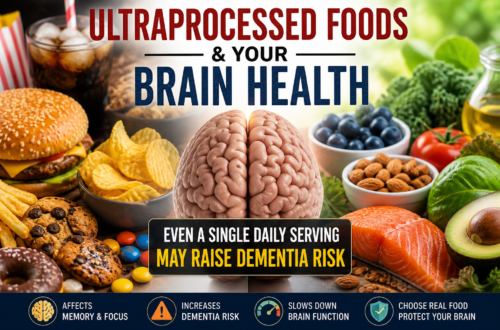
- Ultraprocessed Foods and Brain Health: The Hidden Dietary Threat to Memory and FocusFor decades, the standard nutritional advice across the United States has been relatively straightforward: eat your fruits and vegetables, watch your total calories, and get regular exercise. Millions of Americans operate under the assumption that as long as they eat a fresh salad or drink a green smoothie occasionally, their underlying physical health is secure. However, emerging neurobiological and epidemiological research has revealed a much more urgent reality. It isn’t just about the presence of vitamins in your diet; it is about the structural, industrial state of the food you consume daily. Compelling clinical studies have exposed a direct link between the modern consumption of ultraprocessed foods (UPFs) and the steady acceleration of cognitive decline. Compounding data suggests that adding just one single serving of highly industrialized food to your daily menu can measurably increase your risk of developing dementia over time—even if the rest of your diet is otherwise healthy. In this comprehensive guide, FitnessToday explores the science behind ultraprocessed foods, maps out how industrial additives damage brain architecture, and offers actionable, real-world strategies to protect your memory and mental clarity. Essential Trust, Safety, and Biomechanical Instructions When re-evaluating your diet for long-term brain health, it is vital to avoid extreme restrictions that could compromise your metabolic stability. Pre-Dietary Adjustment Safety Checklist: Deconstructing the Beast: What Exactly is an Ultraprocessed Food? To defend your neurological system, you must understand exactly how to spot the enemy on grocery store shelves. Food processing is classified into four distinct tiers using a globally recognized system known as the NOVA Classification System: [ NOVA 1 ] ──► Unprocessed or Minimally Processed (Eggs, Fresh Fruit, Oats) [ NOVA 2 ] ──► Processed Culinary Ingredients (Olive Oil, Butter, Sea Salt) [ NOVA 3 ] ──► Processed Foods (Canned Beans, Freshly Baked Artisan Bread) [ NOVA 4 ] ──► ULTRAPROCESSED FOODS (Soda, Packaged Pastries, Fast Food, Meal Shakes) Ultraprocessed foods are industrial formulations made primarily of substances extracted from foods (such as hydrogenated oils, modified starches, and protein isolates). They contain little to no intact whole-food ingredients and are packed with chemical additives designed to maximize shelf-life and palatability: If a product contains more than five ingredients or includes items you wouldn’t find in a standard home kitchen, it falls into the ultraprocessed category. The Dark Mechanics: How UPFs Degrade Brain Architecture The brain is one of the most metabolically active organs in the human body, consuming roughly 20% of your total resting energy supply. Because it is highly sensitive to the quality of fuel it receives, a steady diet of industrial chemicals impacts brain health through several key pathways: 1. Chronic Neuroinflammation and the Blood-Brain Barrier Highly processed items are packed with refined sugars and industrial trans fats. When consumed consistently, these compounds spike blood glucose levels and cause advanced glycation end-products (AGEs) to accumulate. This triggers a systemic inflammatory response. Over time, this low-grade internal inflammation weakens the blood-brain barrier—the protective cellular wall that keeps harmful toxins out of your central nervous system. Once this barrier is compromised, inflammatory cytokines can leak directly into the brain, causing chronic inflammation in the hippocampus, which is the primary control center for learning and long-term memory. 2. Disruption of the Gut-Brain Axis Your digestive system and your brain are constantly communicating through the vagus nerve. This connection is heavily influenced by trillions of bacteria residing in your digestive tract, known as the gut microbiome. Whole, fiber-rich foods nourish beneficial gut bacteria, which in turn produce short-chain fatty acids (SCFAs) that protect your brain. Conversely, the chemical preservatives, artificial sweeteners, and emulsifiers found in ultraprocessed foods act like a toxin to your microbiome, wiping out beneficial bacteria and allowing harmful strains to thrive. This gut imbalance can alter neurotransmitter production, reduce serotonin synthesis, and cloud your daily mental focus. To learn more about how your central nervous system interacts with these internal pathways, see our detailed guide on using vagus nerve massage for heart palpitations. 3. Accelerated Brain Atrophy and Cognitive Decline Large-scale neurological imaging studies have revealed that individuals with a high daily intake of ultraprocessed foods show structural differences in the brain. Specifically, these diets are associated with reduced gray matter volume and accelerated shrinking of the cerebrum. This structural decline can manifest as a shorter attention span, slower information processing speeds, and a significantly higher risk of developing neurodegenerative conditions like Alzheimer’s disease and vascular dementia later in life. Why Even a 10% Increase Can Threaten Your Neurological Future Many people think, “I only eat fast food or junk occasionally, so I’m perfectly fine.” But the real danger lies in the stealthy, habit-forming nature of modern convenience foods. +10% Daily UPF Intake ──► Measurable Increase in Neurodegenerative Risk -10% Daily UPF Intake ──► Up to 12% Reduction in Long-Term Dementia Risk A 10% increase in ultraprocessed food intake doesn’t look like an obvious dietary overhaul. It can be as simple as adding a single flavored creamer to your morning coffee, grabbing a pre-packaged granola bar during a midday work slump, or enjoying a frozen dinner on a busy weeknight. Because these items are scientifically engineered to bypass your body’s natural satiety signals, they easily lead to overeating. Over the years, these small daily additions compound silently, driving up your risk of insulin resistance, chronic high blood pressure, and cognitive decline. The Neuro-Protective Blueprint: What to Eat Instead Protecting your brain does not require adhering to an overly restrictive, joyless diet. It simply requires switching your focus back to natural, unprocessed ingredients. Both the Mediterranean Diet and the MIND Diet (Mediterranean-DASH Intervention for Neurodegenerative Delay) have been clinically proven to support brain function and lower your risk of dementia. The Ultimate Brain-Boosting Shopping List: 3 Practical Steps to Phase Out Ultraprocessed Foods Transitioning away from convenience foods is much easier when you take a step-by-step approach. Use these three practical strategies to systematically upgrade your daily nutrition: Final Thoughts from FitnessToday Your brain health is a reflection of your cumulative daily habits. While ultraprocessed foods are engineered for ultimate convenience and hyper-palatability, their long-term cost to your memory, focus, and cognitive independence is incredibly steep. By choosing to step away from factory-sealed boxes, learning to read labels carefully, and embracing whole, natural foods, you are investing in a sharper mind and a vibrant, independent future. Frequently Asked Questions (FAQs) Q: Are commercial plant-based meat alternatives considered ultraprocessed foods? Yes, a large majority of commercially available plant-based meat substitutes are classified as ultraprocessed foods (NOVA Tier 4). While they are marketed as eco-friendly or healthy options, they are typically made from highly refined protein isolates, chemically altered starches, industrial seed oils, and artificial texturizers. For a healthier alternative, source your plant proteins from whole, minimally altered foods like lentils, organic chickpeas, and black beans. Q: Can choosing artificial sweeteners or sugar-free sodas protect my brain from cognitive decline? Unfortunately, no. Swapping out high-fructose corn syrup for artificial sweeteners (such as aspartame, sucralose, or saccharin) does not make a product safe for your brain. Clinical research indicates that synthetic chemical sweeteners can disrupt your gut microbiome, elevate your risk of insulin resistance, and trigger neuroinflammation. To satisfy your cravings safely, stick to plain water, herbal teas, or naturally flavored sparkling waters. Q: If I take a daily multivitamin and fish oil supplement, can I counteract a high-UPF diet? No, nutritional supplements cannot undo the systemic damage caused by a highly processed diet. A multivitamin pill cannot replicate the complex matrix of natural fibers, organic trace minerals, and living antioxidants found in whole foods. Supplements are meant to fill minor gaps in an already solid diet, not serve as a free pass for poor nutrition. Q: How long does it take for brain fog to lift after eliminating ultraprocessed foods? Many people experience a noticeable boost in mental clarity, sustained energy, and focus within 7 to 14 days of cutting out highly refined foods. As your blood sugar stabilizes and gut inflammation begins to subside, the daytime sluggishness and frequent brain fog fade away, giving way to reliable, steady cognitive energy. JustinJustin is a wellness and fitness content writer focused on yoga, natural health, nutrition, and sustainable lifestyle habits. She creates easy-to-follow guides that help readers improve flexibility, strength, mental wellness, and overall fitness through practical daily routines. Her work at FitnessToday combines research-backed wellness information with beginner-friendly advice designed for real-life results.




Justin is a wellness and fitness content writer focused on yoga, natural health, nutrition, and sustainable lifestyle habits. She creates easy-to-follow guides that help readers improve flexibility, strength, mental wellness, and overall fitness through practical daily routines. Her work at FitnessToday combines research-backed wellness information with beginner-friendly advice designed for real-life results.